4 breast changes that aren't necessarily cancer — But still deserve a check
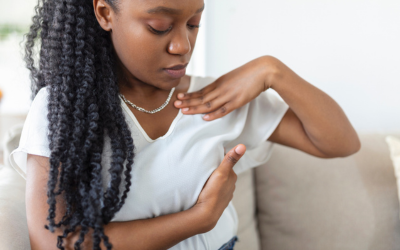
A sudden lump or change in your breast can be alarming — but don’t panic. Breasts naturally change throughout life, and many common breast conditions are benign, meaning they are not cancerous.
Breast surgeon Christina Weed, MD, covers four common benign breast changes. While these conditions do not increase your risk of breast cancer, any new or unusual breast change should be checked by a healthcare provider who can determine what’s causing it and whether treatment is needed.
Breast cysts
- What they are: Fluid-filled sacs that can develop in breast tissue. Cysts usually happen due to normal hormonal fluctuations in the body. Although they are most common in people ages 30–50, they can develop at any age. Cysts are rarely cancerous (malignant). The vast majority of breast cysts will go away on their own.
- What they can feel like: Cysts can feel either soft or hard. They are smooth on the outside, but fluid-filled on the inside. Cysts closer to the skin can be easier to feel or more noticeable. While some breast cysts may be painless, they can often be tender to touch and even become larger and more tender right before your period.
Fibroadenomas
- What they are: Common benign breast lumps made up of glandular and connective tissue. They're particularly common in younger women in their 20s and 30s. They can grow during pregnancy or hormone therapy and shrink after menopause. They do not increase your risk of breast cancer. Sometimes a fibroadenoma is removed with a small surgery.
- What they can feel like: Often firm, smooth and somewhat rubbery. They usually move easily when you press on them.
Fibrocystic breast changes
- What they are: Hormone-related changes that can cause breasts to feel lumpy, dense or tender. Most people with fibrocystic breast changes don’t need any treatment.
- What they can feel like: These benign changes may cause a thickening and firmness in the breasts. Breasts may be tender or painful. They may feel more dense in some areas than in others. Sometimes solid or fluid-filled lumps (cysts) may also form.
Mastitis
- What it is: Mastitis is breast inflammation that can lead to infection. Anyone can get mastitis, but it is most common in people who breastfeed. Treatment involves reducing pain and inflammation, as well as preventing infection. If an infection occurs, antibiotics are prescribed.
- What it can look or feel like: Skin redness, warmth, swelling, tenderness and pain.
Most breast changes are not cancer, but it’s best to ask for help when you notice a breast change rather than trying to diagnose the change yourself. Any new, unusual or persistent change is worth discussing with your healthcare provider. Your provider can determine whether you need a breast exam, imaging or additional testing.
Talk with your healthcare provider right away if you notice:
- Redness or swelling of the breasts.
- Discharge from the nipples.
- Visible changes in the skin over the nipples or breasts.
- Lumps grow larger, feel very hard, or have an irregular shape.
- New lumps form that look or feel different from current lumps.
- Any other new or concerning breast changes.
Routine screenings and timely appointments are essential to maintaining breast health, preventing disease, and receiving early diagnosis and treatment. Overlake Breast Health provides mammogram screenings and specialized breast health services in Bellevue and Issaquah. Learn more
To schedule your mammogram, call (425) 688-5985 today.
Christina Weed, MD, is a board-certified general surgeon specializing in breast surgical oncology. She sees patients at Overlake Breast Health Center.