6 Sun Safety Tips to Prevent the Most Common Form of Skin Cancer

6 sun-safety tips to lower your skin cancer risk
The American Academy of Dermatology recommends these simple ways to protect your skin:
- Wear sunscreen every day – Choose a broad-spectrum sunscreen with SPF 30 or higher and water resistance that protects against both UVA and UVB rays. Wear it even on cloudy days.
- Apply enough sunscreen and reapply often – Cover all exposed skin, including your ears, neck, head and the tops of your feet. Most adults need about 1 ounce (about a shot glass) for full-body coverage. Reapply every two hours and after swimming or sweating.
- Wear sun-protective clothing – Clothing with built-in UPF (ultraviolet protection factor) can provide extra protection. Lightweight long sleeves, pants, wide-brim hats, close-toed shoes and UV-protective sunglasses can all help reduce sun exposure.
- Skip tanning beds and sun lamps.
- Seek shade during peak sun hours – If possible, avoid direct sunlight between 10 am and 2 pm, when the sun's rays are strongest.
- Pay attention to changes in your skin – Schedule an appointment with a dermatologist if you notice a new, changing, itchy or bleeding spot.
How to spot basal cell carcinoma
Basal cell carcinoma (BCC) begins in basal cells, which are found in the deepest layer of the epidermis (the skin’s outer layer). It most often develops on areas that receive frequent sun exposure, such as the face, ears, neck, chest and arms, but it can appear anywhere on the body. BCC can look different from person to person. It may appear as a pearly or waxy bump, a scaly patch, a scar-like area or a sore that doesn’t heal. Early detection is important— nearly all basal cell cancers can be successfully treated and cured if found early.
If cancer runs in your family, understanding your risk can help you take proactive steps for your health. Genetic counseling can help determine whether cancer in your family may be hereditary and guide you through testing and prevention options.
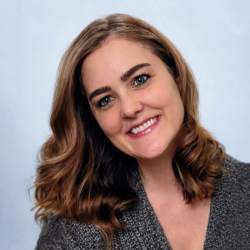
Kelli Forde is a senior communications specialist with over a decade of experience in health care marketing and communications. She works with Overlake staff, providers and patients to share meaningful stories, expert advice and valuable tips for leading a healthy lifestyle.