
The link between weight loss, GLP-1 drugs and cancer risk
Weight-loss medications like Wegovy®, Zepbound®, and Ozempic® have received a lot of attention for helping people lose weight quickly. But researchers are also studying whether these medications may have additional health benefits for women, including reducing the risk of certain cancers.
We spoke with Shauna Riley, PA-C, a specialist in gynecologic oncology, to answer common questions about how obesity, cancer risk and GLP-1 medications are connected.

Q: How does excess weight affect your cancer risk?
A: Obesity is linked to a higher risk of several types of cancer, including endometrial, breast, ovarian, colon, rectal, kidney, liver, pancreatic and esophageal cancers.
Extra body fat can alter hormone levels, increase insulin resistance and cause chronic inflammation. Over time, these changes can affect how cells grow and increase your cancer risk.
Keep in mind that having obesity does not mean a person will develop cancer. Still, obesity is one of the most significant modifiable risk factors for several cancers.
Q: How does obesity increase a woman's risk of endometrial cancer?
A: Endometrial cancer starts in the lining of the uterus, called the endometrium. It is the most common gynecologic cancer.
Obesity increases estrogen levels because body fat (adipose tissue) contains an enzyme called aromatase, which converts other hormones into estrogen. The more body fat a person has, the more estrogen their body produces.
When estrogen is not balanced by progesterone hormones, the uterine lining can become too thick. Over time, this can lead to a precancerous condition called endometrial intraepithelial neoplasia (EIN). Women with EIN face about an 8% chance each year of developing endometrial cancer and are at a much higher risk of developing cancer than those with a normal uterine lining.
Q: Are you seeing more cases of endometrial cancer in women under 50?
A: Endometrial cancer has traditionally been considered a disease that mostly affects women after menopause. However, we are seeing more cases in younger women.
Research shows that obesity, a higher body mass index (BMI) and diabetes are all linked to a greater risk of endometrial cancer in women younger than 50. Today, nearly 40% of U.S. adults have obesity, and more than 11% have diabetes. Studies show diabetes increases the risk of endometrial cancer in both younger and older women.
These findings suggest that metabolic health — including maintaining a healthy weight, managing blood sugar and preventing diabetes — plays an important role in lowering the risk of EIN and endometrial cancer.
Q: Besides potential cancer-related benefits, what other health improvements can occur with weight loss?
A: Weight loss can have a profound impact on overall health. Many patients experience improvements in:
- Blood sugar control and insulin resistance.
- Risk of Type 2 diabetes.
- Blood pressure and cholesterol levels.
- Sleep apnea.
- Joint pain and mobility.
- Fertility and menstrual regularity.
- Cardiovascular health.
- Quality of life.
Interested in medical weight loss? Overlake's medically supervised weight loss program combines lifestyle support, nutrition counseling and medications, when appropriate, to help you achieve lasting results. Learn more
Q: Are GLP-1 medications a substitute for cancer screening or medical treatment?
A: No, GLP-1 medications should never take the place of recommended cancer screenings, regular medical care or treatment for precancerous conditions.
People with abnormal uterine bleeding, postmenopausal bleeding, or EIN should continue working closely with their healthcare provider. Maintaining a healthy weight is important, but it does not replace proper screening and treatment.
GLP-1 medications are not cancer treatments. While some early studies suggest they may be linked to a lower risk of certain cancers, researchers have not shown that these medications prevent cancer, stop it from spreading or improve survival.
Researchers are continuing to study whether GLP-1 medications may affect inflammation, how the body uses insulin, immune functioning, and other biological processes that could influence cancer risk. While the research is promising, more studies are needed to better understand their long-term role in cancer prevention.
Take charge of your gynecologic health. If you're experiencing abnormal uterine or postmenopausal bleeding or have concerns about your cancer risk, the specialists at Overlake's Gynecological Cancer Program provide expert diagnosis, treatment and preventive care tailored to your needs.
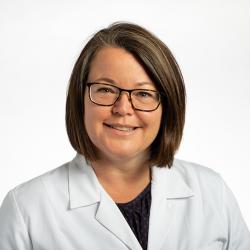
Shauna Riley, PA-C, specializes in gynecologic oncology and sees patients at Overlake Cancer Center.