
Ask the Experts: Platelet-Rich Plasma (PRP) Therapy for Sports Injuries
Whether you're recovering from a sports injury, managing chronic tendon pain or looking for alternatives to surgery, platelet-rich plasma (PRP) therapy may be an option worth exploring. PRP uses your body's own healing properties to help repair damaged tissues and reduce pain. Amos Song, MD, and Herbie Yung, MD, of Overlake Clinics Musculoskeletal Medicine, answer common questions about how PRP works, who may benefit and what to expect from treatment.
How does platelet-rich plasma (PRP) therapy work?

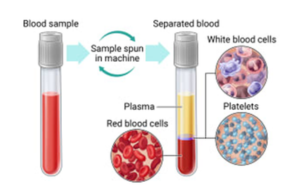
PRP therapy uses your own blood to help your body heal. During the treatment, a small blood sample is taken from a vein in your arm. Then, your blood is processed to separate the platelets — the part of your blood that helps with clotting and tissue regrowth. The resulting platelet-rich plasma is then injected into your injured joint or muscle, where it may help reduce pain, promote healing and speed up recovery.
What conditions can PRP help treat?
PRP may benefit patients with a variety of musculoskeletal injuries and conditions, including:
- Ligament and muscle injuries.
- Chronic tendon pain.
- Low- to moderate-grade knee osteoarthritis.
- Overuse injuries, such as tennis (pickleball) elbow, and plantar fasciitis (inflammation on the sole of the foot).
What should I expect during treatment?
- A small amount of blood is drawn from a vein in your arm.
- The blood is placed in a centrifuge and spun for several minutes. The platelet layer is separated, concentrated and collected.
- The PRP is injected under ultrasound guidance to ensure accurate placement.
- The process usually takes about 45 minutes to one hour.
What does the research show?
Research shows that PRP can reduce pain and improve function, particularly for knee osteoarthritis and tennis elbow. For knee osteoarthritis, multiple studies have found that PRP may be more effective than cortisone (steroid) or hyaluronic acid (gel) injections for pain relief lasting up to 12 months.
Is PRP safe?
PRP is very safe, as it is drawn from your own blood. The most common side effects include:
- Pain at the site of injection.
- Mild stiffness or swelling.
- Bruising at the site of the blood draw or injection.
Much rarer side effects can include infection and injury to a nerve or blood vessel.
Is PRP the same thing as stem cell therapy?
No. PRP is a component of blood that contains platelets that release growth factors for tissue repair. Stem cells are derived from fat or bone marrow and are undifferentiated, meaning they have not yet developed into a specific cell type (e.g., cartilage or nerve cells). Because evidence for stem cell therapy is limited and uncertain, we advise patients to approach these treatments with caution.
How long does it take to see results from PRP?
PRP is not an immediate pain-relief treatment. Because it works by supporting the body's natural healing response, it may take a few weeks to months for patients to notice improvements. Full benefits may take up to a year. Physical therapy after the PRP injection is highly recommended.
When should I consider seeing a sports medicine specialist about PRP?
If you've been dealing with persistent joint, tendon or muscle pain that hasn't improved with rest, physical therapy or other treatments, it may be time to discuss advanced treatment options. PRP may not be appropriate for all patients. Patients with blood disorders, active infections, certain cancers, or more severe conditions, may not qualify. A sports medicine specialist can help determine whether PRP or another treatment approach is right for you and your goals.

Amos Song, MD, specializes in physical medicine, rehabilitation and sports medicine. He currently practices at Overlake Clinics - Musculoskeletal Medicine.

Herbie Yung, MD, is a fellowship-trained physical medicine and rehabilitation (PM&R) specialist at Overlake Clinics Musculoskeletal Medicine.