
4 Common Cold Weather Myths Debunked
Can cold weather really make you sick — and does wearing a hat actually make your body warmer? Urgent care provider Larry Madewell, MD, debunks four common cold weather myths and shares his tips for preventing illness and injury.
Myth 1: Dressing warmly prevents colds, viruses and flu.
Mom was wrong on this one — mostly. If you haven't been exposed to a virus, cold weather won't make any difference. There are over 200 viruses that can cause the common cold. However, cold weather can increase the risk of cold-related illness and injury — especially for certain groups. Dr. Madewell warns that some people are more vulnerable, including:
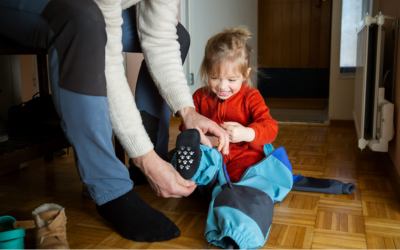
- Older adults (generally over age 65).
- Infants (generally under age 2).
- Outdoor workers, people experiencing homelessness and military personnel.
- People with poor circulation, diabetes, heart conditions or thyroid disorders.
- Anyone who is dehydrated, exhausted or drinking alcohol.
“These individuals may struggle to regulate body temperature, have impaired judgment or face prolonged exposure,” Dr. Madewell says. Factors such as inadequate clothing, wet conditions, wind, and certain medications can also significantly increase risk. “When you’re in the cold, wear layers and change out wet clothing often,” Dr. Madewell advises. “Staying dry is just as important as staying warm.”
Myth 2: You lose body heat through your head.
There's nothing special about your head. You'll lose body heat from any part of your body that is exposed. It's a good idea to wear a hat, but other parts of your body must also be covered to keep you from getting cold. The amount of heat you can lose through your head depends on a number of factors, including how thick your hair is and how much energy you use in the cold. The ratio of the surface area of a child's head relative to the child's body surface area is much greater than that of an adult. So, children lose proportionally more heat through their heads. Hoods and hats are more important for children because of this.
Myth 3: Men and women feel cold at the same temperature.
Ever notice that women's hands and feet tend to get colder before men's? It's because the external temperature at which men’s and women's bodies begin conserving heat — called the set point temperature — varies by about 3°. When surrounding temperatures drop to a certain point, your body will conserve heat by shutting off the blood flow to the hands and feet, making them feel chilled.
Myth 4: Drinking alcohol will keep you warm.
Drinking alcohol may make you feel warm because it causes blood to rush to your skin's surface. But it actually causes your blood vessels to widen and makes you lose heat faster. Drinking alcohol in the cold also decreases the shivering process, which makes extra body heat.
If a winter injury or illness comes up, Overlake urgent care is here to help. View the full list of conditions treated at urgent care vs. the ER, save time with our “Get In Line” tool, and find Overlake urgent care locations across the Eastside.
If you are experiencing a medical emergency, call 9-1-1 immediately.

Larry Madewell, MD, is a board-certified urgent care provider who sees patients at Overlake Clinics Downtown Bellevue Urgent Care.