
Safe Sleep While Traveling with Your Baby
Traveling with a baby can feel like you’re packing everything but the kitchen sink — but setting up a safe, familiar sleep space is worth the effort. Most portable sleep options come with a carrying bag, making them easy to bring along. Using what your baby already knows can help them rest and give you peace of mind.
Keep Your Baby Close — But in Their Own Sleep Space
The American Academy of Pediatrics recommends babies sleep in the same room as their parents on a separate, safe surface. Whether you're staying in a hotel, a vacation rental or with family, plan for your baby to sleep in your room, in their own crib, bassinet or play yard.
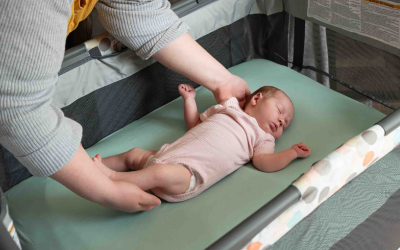
Choose the Right Travel Sleep Option
Travel bassinets
A great option for younger babies, usually from newborn through about 6 months, or until they can roll over. These are lightweight, compact and quick to set up. Some models double as bedside sleepers, so your baby is close but still in their own space.
Travel cribs
Larger and sturdier than bassinets, these work well once your baby becomes more mobile (rolling, sitting or pushing up). Many are suitable from about 6 months up to 3 years of age.
Pack and Play (play yards)
These versatile options often include a bassinet attachment for infants and can transition into a play space as your baby grows. They’re practical, though they may take up a bit more room.
For added peace of mind, check the U.S. Consumer Product Safety Commission to make sure your baby’s sleep product hasn’t been recalled — especially if you’re borrowing or using a secondhand item.
Set Up a Safe Sleep Environment
- Pick a hazard-free location. Keep sleep spaces away from cords, wires, blinds and window coverings.
- Use a firm, flat surface. Always use a firm mattress with a tightly fitted sheet — no gaps along the edges.
- Keep it simple. No pillows, blankets, bumpers or stuffed animals. A clear sleep space is the safest.
- Check for stability. Make sure the bassinet, crib or play yard is fully locked and secure before placing your baby down.
Safe sleep doesn’t have to stop when you leave home. With the right setup and a few simple precautions, you can help your baby rest safely — wherever your travels take you.
Learn more safe sleep tips or get expert guidance on caring for your newborn during their first three months of life with Overlake’s Understanding Your Newborn class.
Additional Resources