
Heart Care Close to Home: Advanced Solutions for Irregular Heartbeats

Have you ever felt like your heart skipped a beat, fluttered or beat faster than normal? Most of us have. But when do you know if it’s from drinking too much coffee or being under a mountain of stress versus a more serious medical condition?
What Are Heart Palpitations?
Heart palpitations are sensations that your heart isn’t beating normally. They’re often harmless — especially if they happen rarely and you can link them to something like caffeine, anxiety or exercise. But it’s time to pay closer attention if they:
- Happen frequently.
- Come with symptoms like shortness of breath, lightheadedness and fatigue.
- Occur alongside conditions like diabetes, high blood pressure or heart disease.
- Run in your family.
In these cases, it’s important to talk with your health care provider to rule out an underlying issue, such as an arrhythmia.
Understanding Arrhythmias
Arrhythmias are abnormal heartbeats. They cause the heart to flutter, pause or beat too slow or too fast. The most common arrhythmia is atrial fibrillation (AFib), which is a rapid and irregular heartbeat.
Our heartbeats are controlled by electrical signals that tell the heart's muscles when to contract. In AFib, these signals become erratic, causing an irregular rhythm and uncoordinated contractions. Blood isn’t pumped as effectively through the body and may then collect in the heart, which can lead to clotting and strokes. In fact, those with the condition have a five times greater risk of stroke than someone without AFib.
Advanced Care, Close to Home
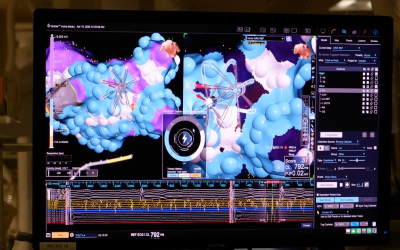
Overlake’s highly trained electrophysiologists (heart rhythm specialists) diagnose and treat the electrical activities of the heart with the most advanced technologies available. One of the newest treatment options is pulsed field ablation (PFA), a minimally invasive procedure that uses targeted energy to correct abnormal heart rhythms.
“At Overlake, we’re using the latest PFA technologies to treat arrhythmias more precisely and safely,” says medical director of cardiac electrophysiology Maheer Gandhavadi, MD. “We’re one of only a few hospitals in the country with access to the newest systems, and the first in the Pacific Northwest to offer all FDA-approved options. That means we’re not limited to one approach — we can choose the best tools for each patient to help achieve the best possible outcome.”
Personalized Treatment for Every Patient
If an arrhythmia is diagnosed, your electrophysiologist will recommend the best treatment for your specific condition. Options may include:
- Medication.
- Catheter ablation procedures, such as PFA.
- Implantable devices.
“Our patient-centered team approach means we take care in addressing each person’s individual condition,” adds Overlake electrophysiologist Jeffrey Fowler, MD.
If something about your heartbeat doesn’t feel right, don’t ignore it. Getting checked early can make all the difference — and help you get back to living with confidence. Overlake’s Heart & Vascular Center brings the latest heart technologies to the Eastside, so you can access expert care close to home.
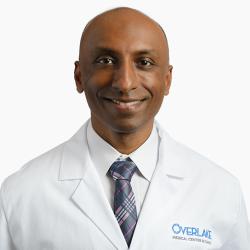
Maheer Gandhavadi, MD, is a board-certified cardiologist and electrophysiologist at Overlake Clinics Cardiology.

Jeffrey Fowler, MD, is an award-winning cardiologist and electrophysiologist at Overlake Clinics Cardiology.