A New Chapter in Heart Care: Advanced Tricuspid Repair Offers Fresh Hope Close to Home
When Lynn Montgomery first learned that her tricuspid valve would eventually need repair, less-invasive treatment options weren’t yet available. It was 2013, and her cardiologist explained that while surgery wasn’t immediately necessary, the valve would likely require intervention one day. At the time, the hope was that science would catch up before that day arrived.

Eleven years later, it did.
By 2024, Lynn, now a retired nurse, was living with severe tricuspid valve regurgitation — a condition where the heart valve doesn’t close properly, allowing blood to flow backward. Medications offered little relief. Despite a healthy diet and staying active, Lynn’s energy steadily declined. An echocardiogram, a type of heart ultrasound, confirmed what her cardiologist had suspected: the valve repair couldn’t wait much longer.
That’s when Lynn’s cardiologist referred her to Scott Haugen, MD, and Overlake’s Structural Heart and Valve Care team — a unique collaboration between Overlake Medical Center & Clinics and Kaiser Permanente that brings together leading heart experts. Dr. Haugen explained Lynn’s options and shared hopeful news. If she were willing to wait a little longer, a new minimally invasive procedure designed specifically for the tricuspid valve was close to FDA approval.
“I just feel so lucky that all the stars aligned,” Lynn says. “I trust science and medicine and I’m living proof of what’s possible."
After returning from a long vacation, Lynn was surprised to learn that the procedure had received federal approval and that she was now eligible for it. Scheduled for Dec. 2025, Lynn would become the first patient in East King County to undergo the newly approved tricuspid transcatheter edge-to-edge repair (T-TEER) procedure.
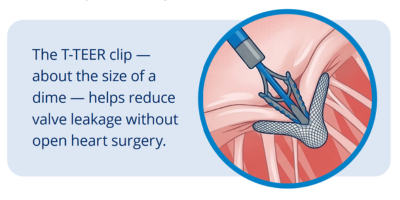
“For years, we knew patients like Lynn needed a better option,” says cardiologist Ronnier Aviles, MD. “With T-TEER, we can repair the tricuspid valve using a minimally invasive technique. Using a catheter inserted through a vein in the groin, a small clip brings the valve leaflets together so it can close properly, allowing blood to flow in the right direction. This approach reduces leakage, often improves symptoms quickly, and can make a meaningful difference in a patient’s daily life,” adds Dr. Aviles.
After her procedure, Lynn quickly returned to the activities she loves — reading, knitting and spending time with friends. With renewed energy and far less fatigue, she now walks three miles along the Puget Sound each day, practices yoga and enjoys quality time with her grandchildren. “These are my bonus years,” she laughs. “And I’m enjoying them.”
Your heart deserves exceptional care.
Overlake Medical Center & Clinics, in partnership with Kaiser Permanente, has been a leader in minimally invasive heart procedures for over a decade. Its Structural Heart and Valve Care program offers a full range of catheter-based treatments, including tricuspid and mitral valve repairs.
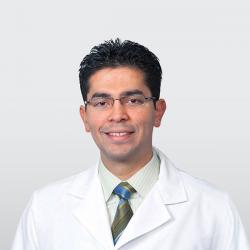
Ronnier Aviles, MD, is a board-certified interventional cardiologist at Overlake Clinics Cardiology.
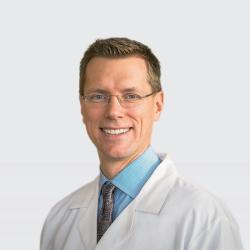
Scott Haugen, MD, is a board-certified interventional cardiologist at Kaiser Permanente - Bellevue Medical Center - Cardiology.