
Know the ABCs of Safe Sleep
Bringing your baby home is an exciting time — but it can also feel overwhelming, especially when it comes to sleep. Newborns spend most of their day sleeping (about 17 hours), so creating a safe sleep environment is one of the most important things you can do.
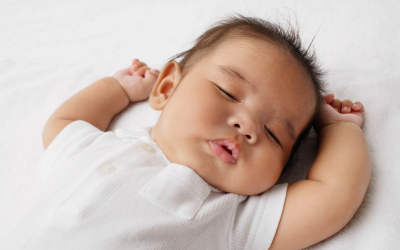
And while it may be tempting to use those quiet moments to catch up on chores, your rest matters too. Taking time to recharge helps you better care for your baby.
When putting your baby down for a nap or for the night, keep these safe sleep habits in mind:
A is for Alone
Your baby should sleep alone in their crib. Keep the sleep space clear — no blankets, pillows, stuffed animals or crib bumpers. These can increase the risk of suffocation.
B is for Back
Always place your baby on their back for every sleep — both naps and nighttime. This is one of the most effective ways to reduce the risk of sudden infant death syndrome (SIDS).
C is for Crib
Use a firm, flat mattress with a fitted sheet. Avoid inclined sleepers. Make sure the crib or bassinet is in good condition and meets current safety standards, with no gaps between the mattress and sides.
D is for Don’t Handle Baby When Drowsy
Caring for a newborn is exhausting. If you start to feel sleepy, place your baby safely in their crib. Even a brief moment of dozing can cause you to lose your grip, so it’s best to put your baby down and rest.
Learn more safe sleep tips or get expert guidance on caring for your newborn during their first three months of life with Overlake’s Understanding Your Newborn class.
Additional Resources